올해도 어김없이 따듯한 봄이 지나갔다.
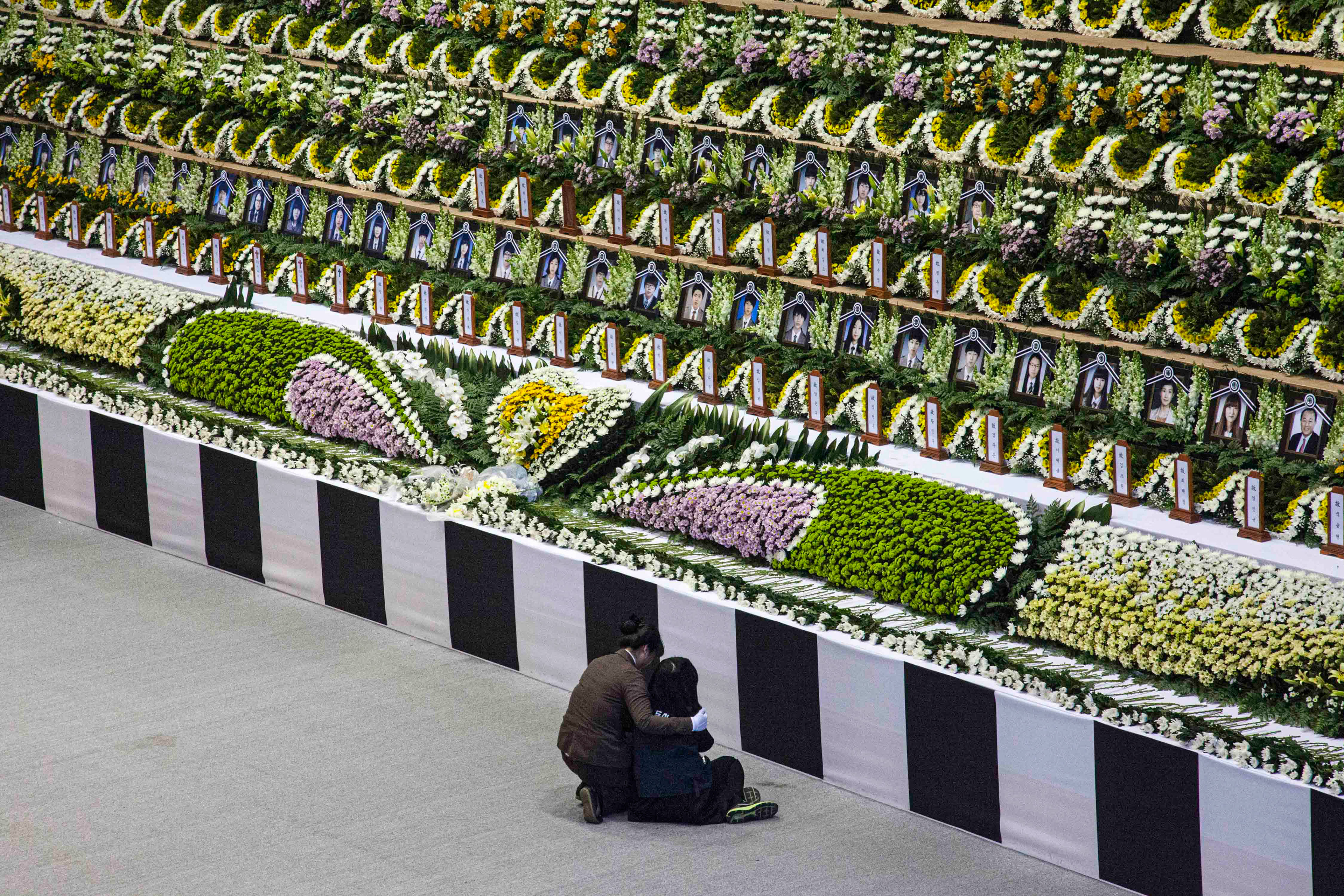
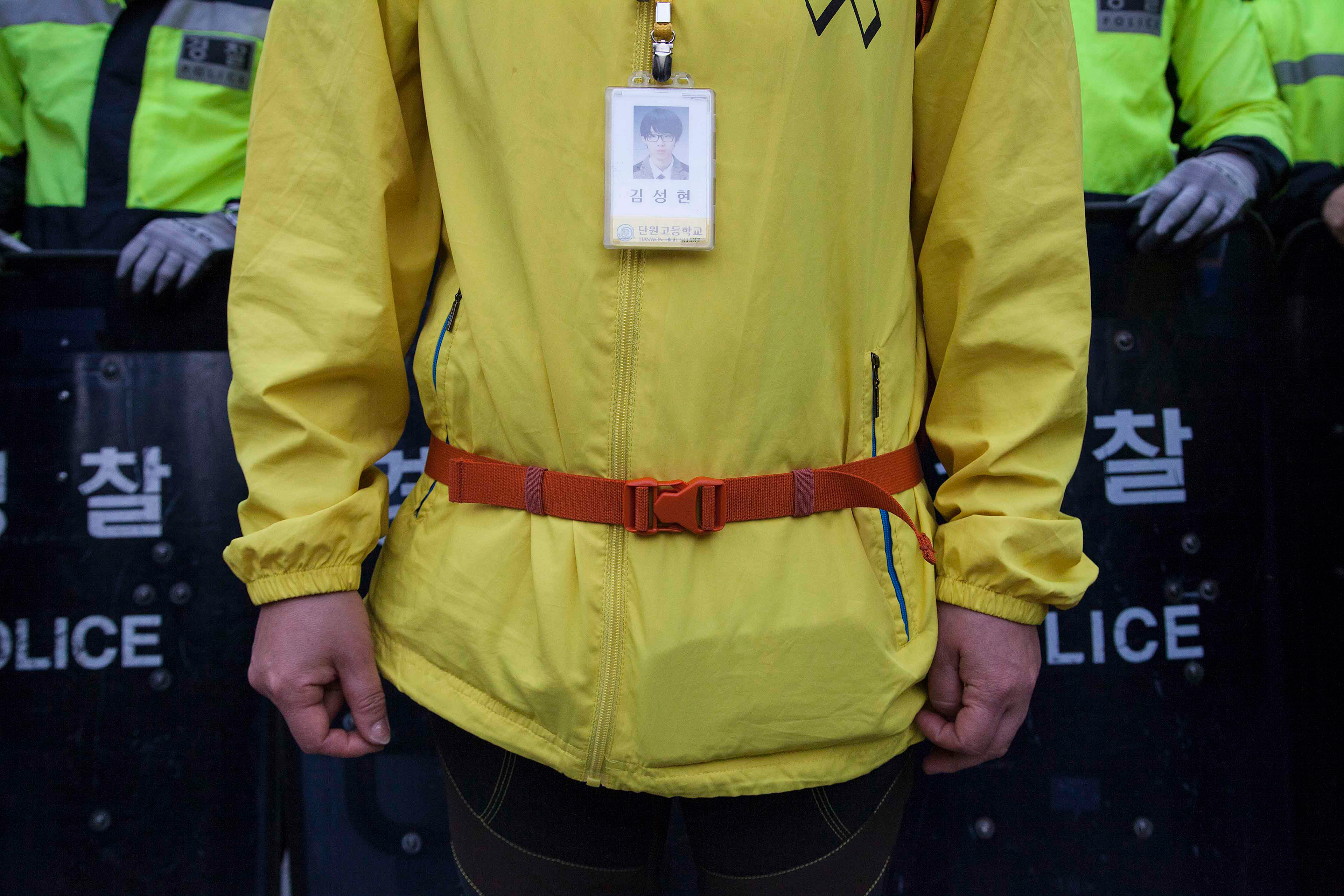
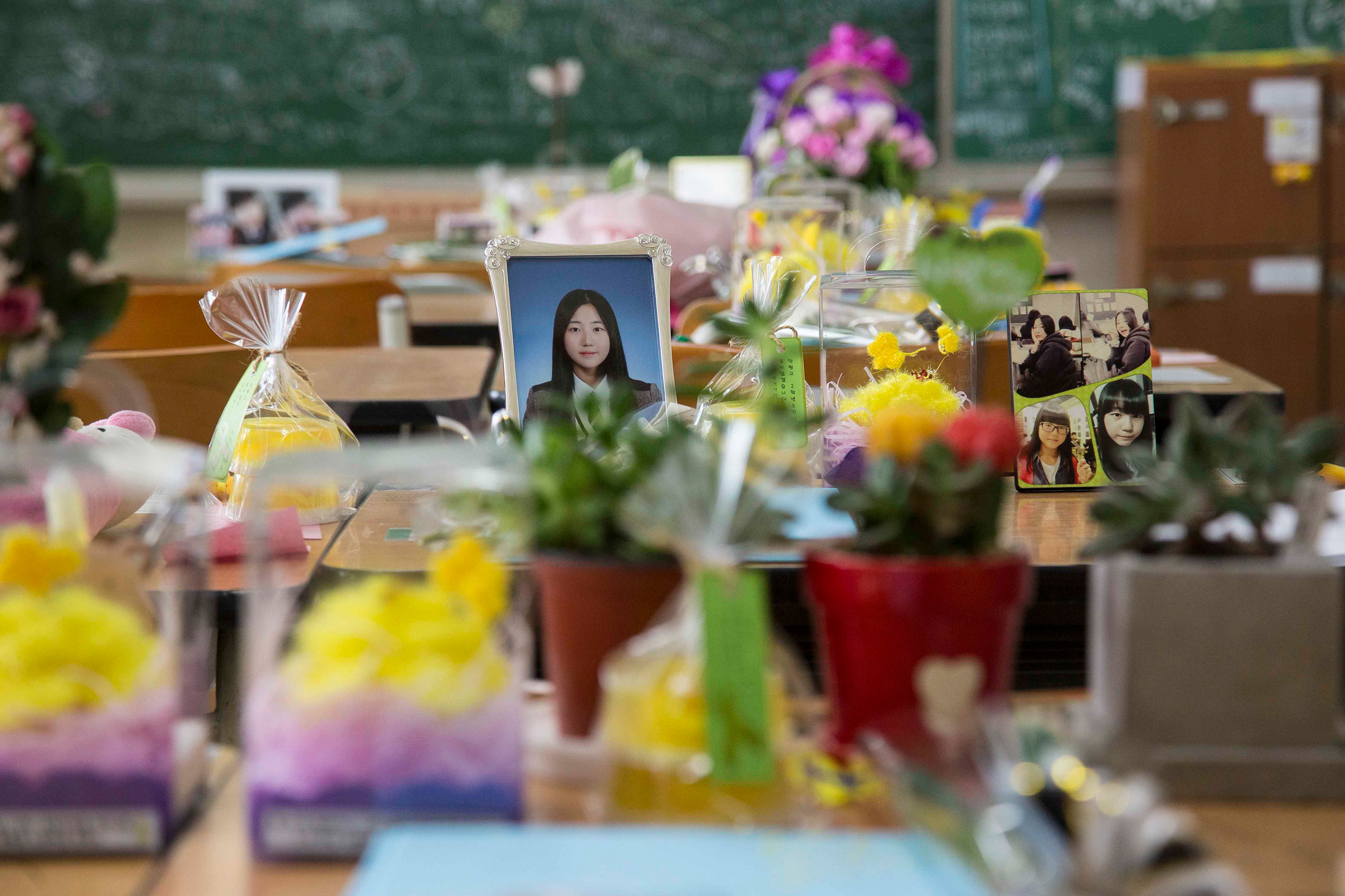
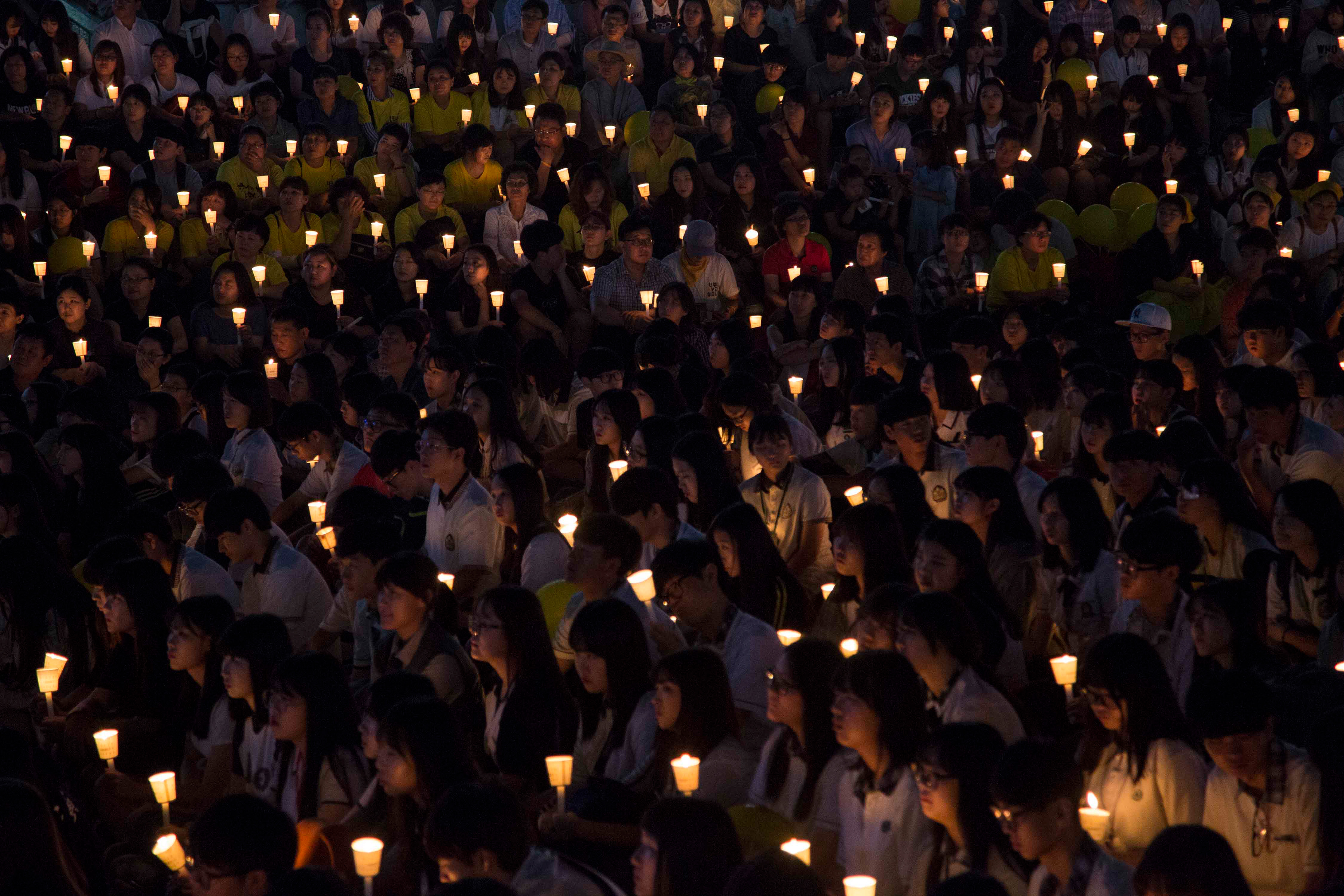
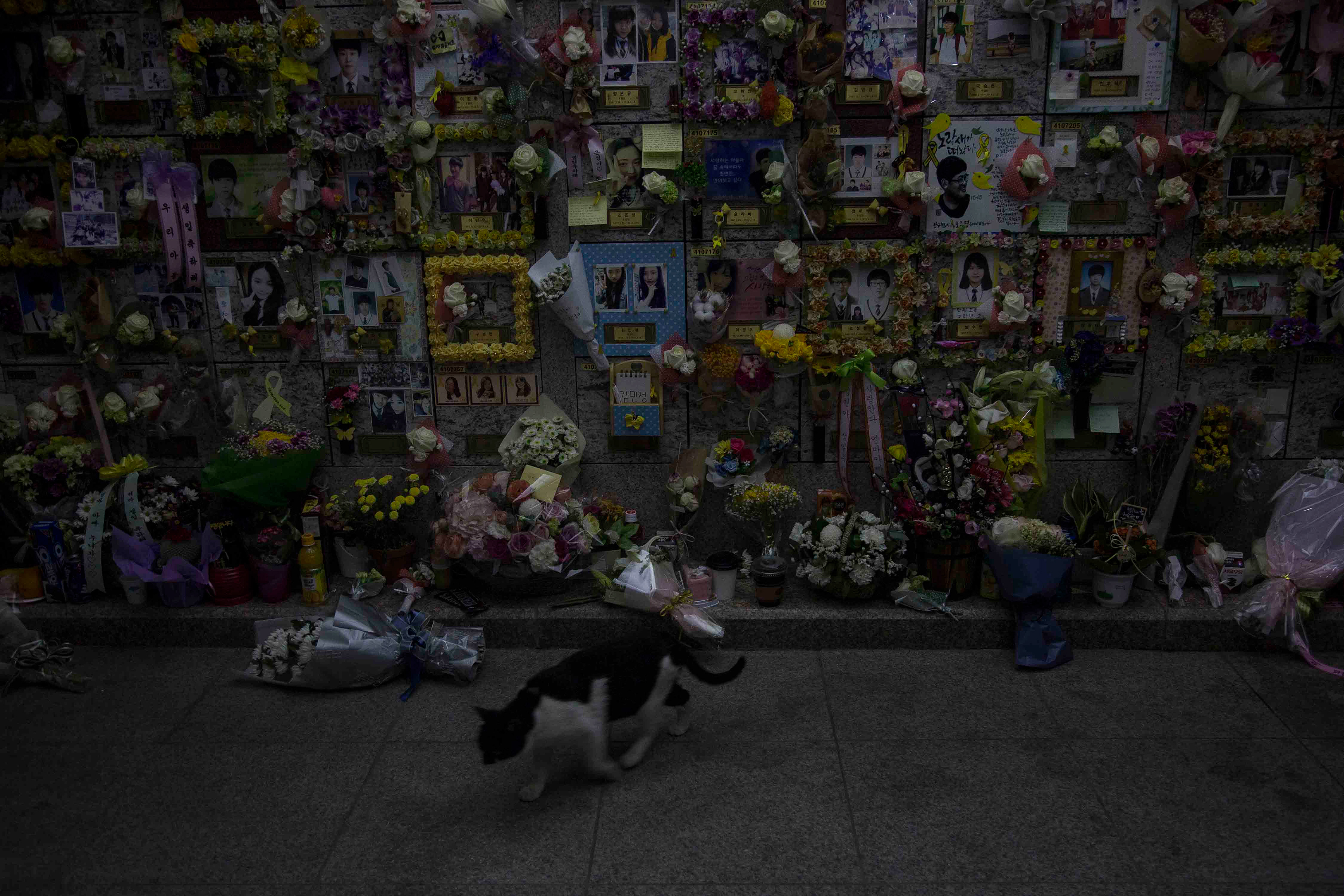
3년 전 봄이었다. 고등학교 교복을 벗고 어느새 대학 생활에 적응해버린 뒤 너무나 크게 다가온 그날. 모두가 괜찮다고 하니 또한 무심하게 넘겨버렸던 기억이 스스로를 더욱 힘들게 했던, 그날. 4월, 안산의 임시 분향소를 찾았을 때, 추가될 영정들을 예견한 듯 높게 쌓인 빈 단들과, 끝없이 이어진 조문 행렬, 그 앞에서 쓰러지는 어머니를 보면서, 사진 찍는 사람으로서 이 사건을 어떻게든 남겨야겠다고 다짐했다. 그렇게, 그날의 흔적들을 따라 밟기 시작했다.
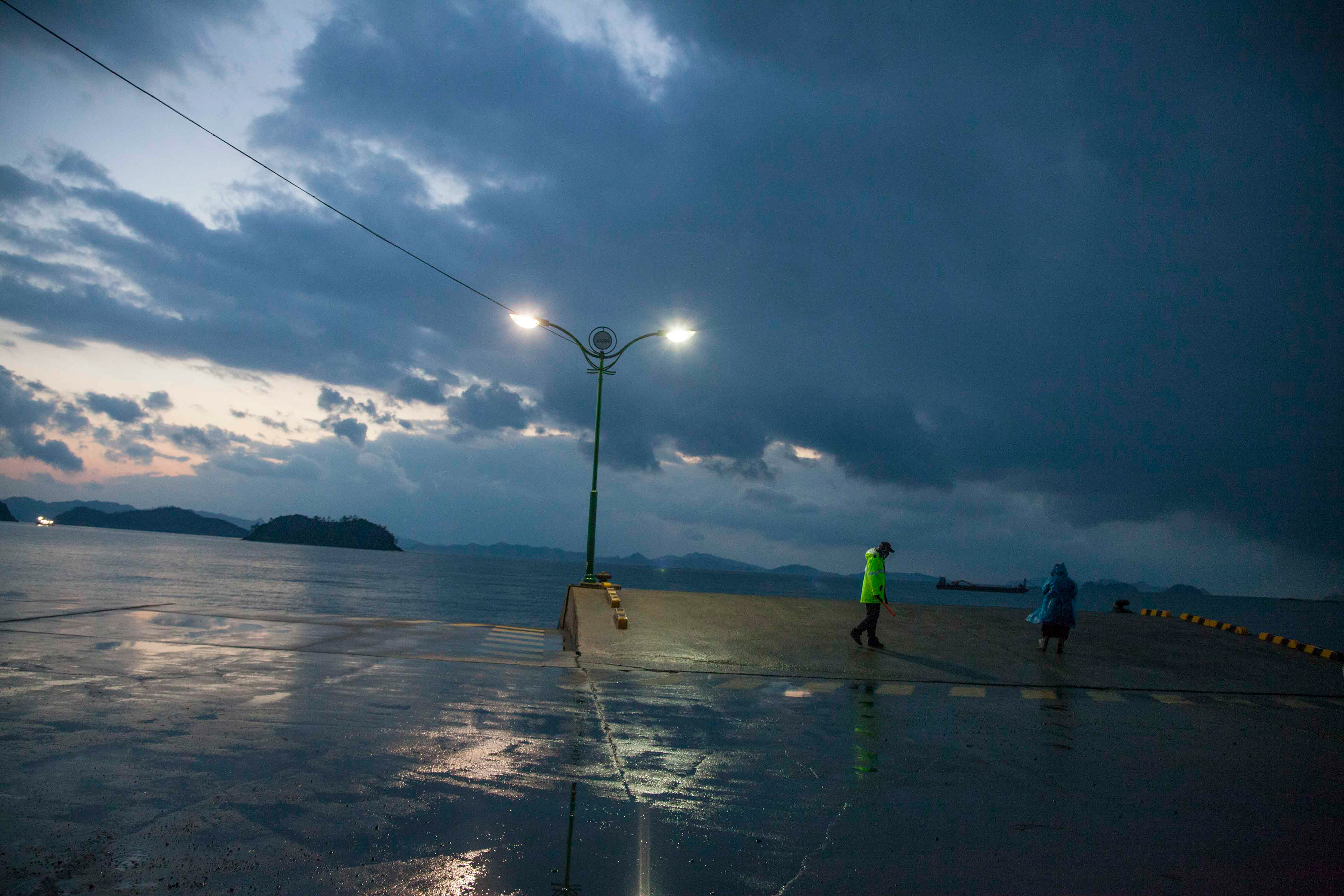
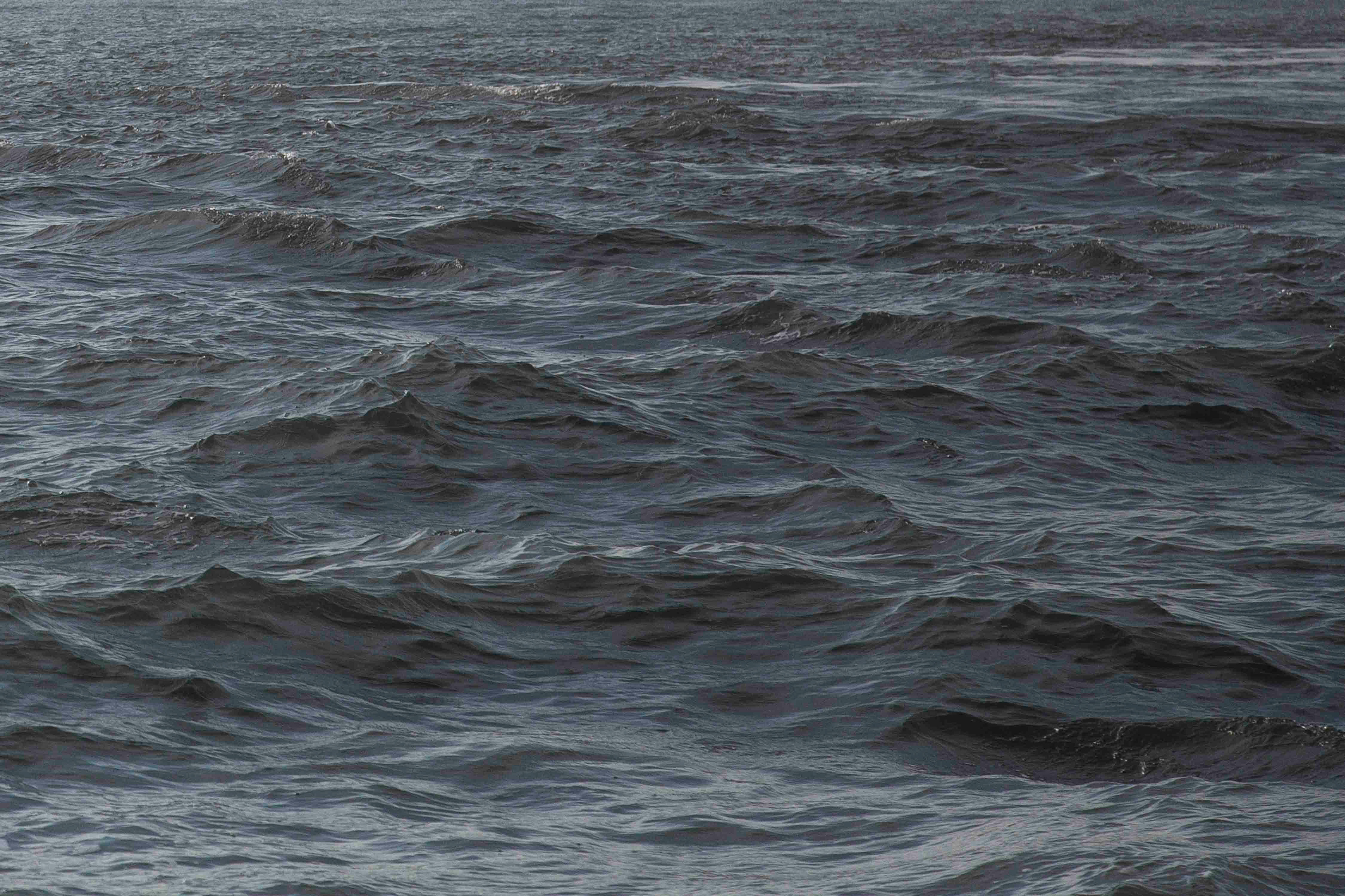
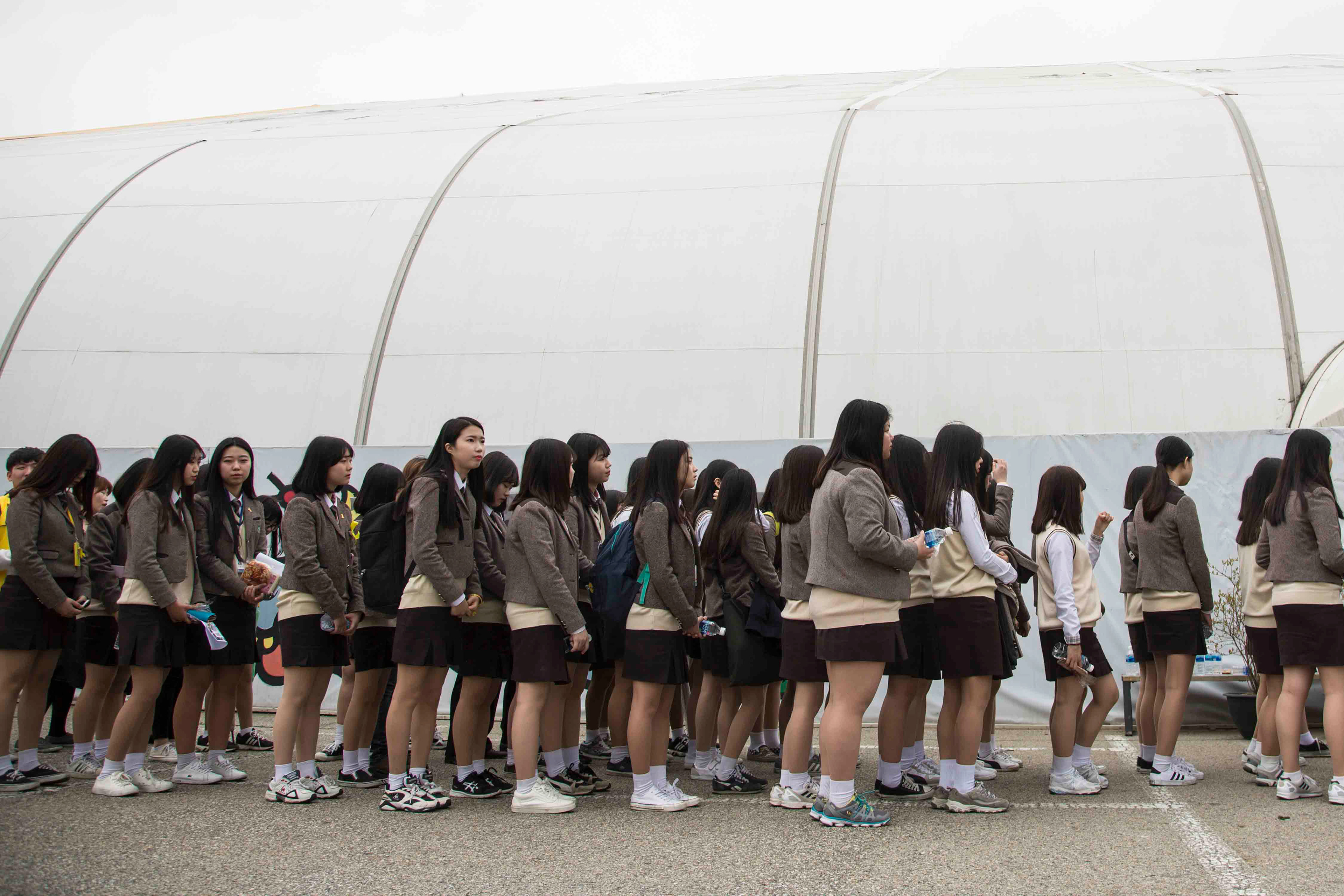
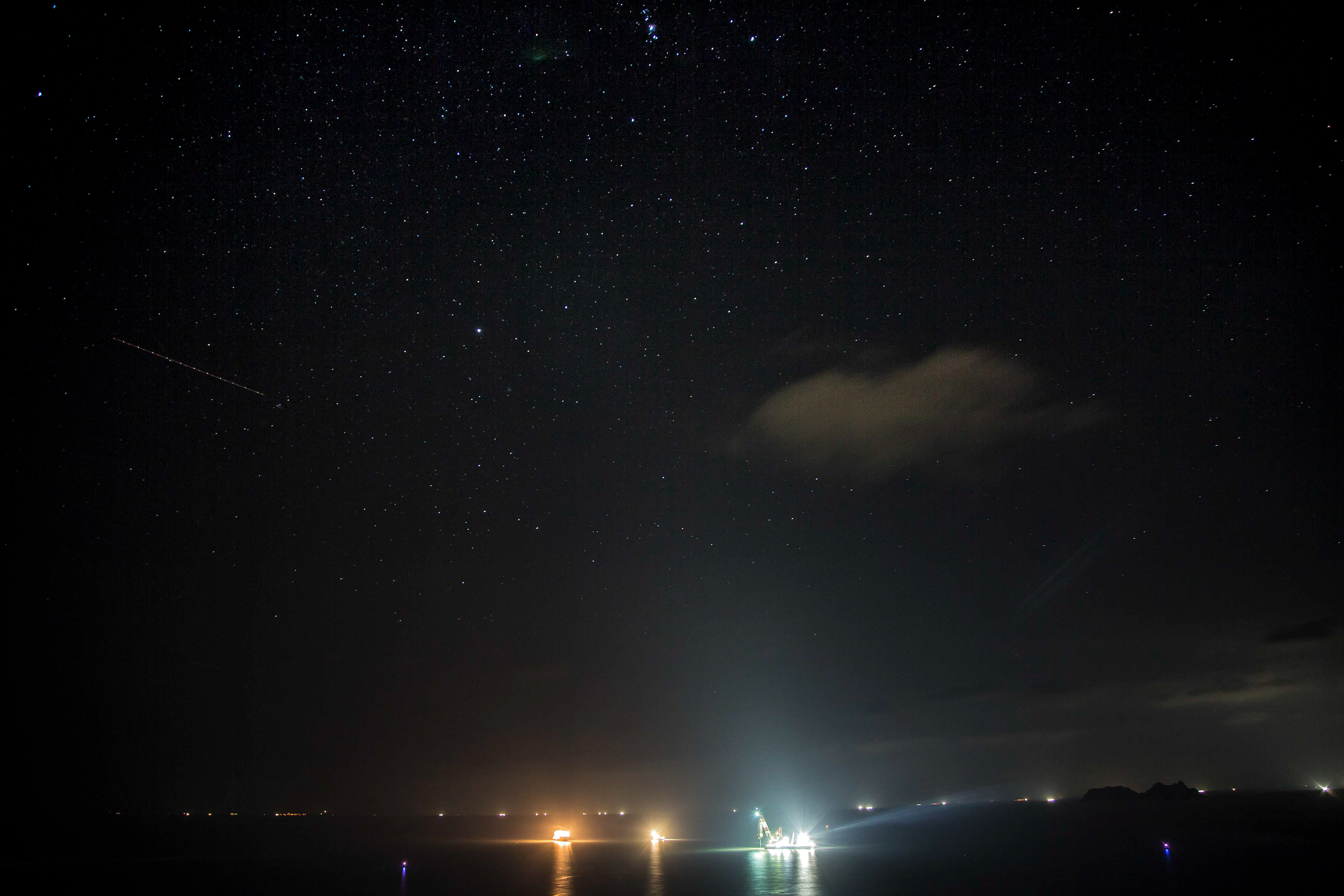
흔적들은 사고가 일어난 진도 팽목항, 희생자의 대부분인 학생들의 생활 공간인 안산, 유가족들이 올라와 싸우고 있는 서울 등 다양하게 흩어져 있었다. 사건의 흐름을 따라, 또 의식의 흐름을 따라, 사고가 일어난 이후부터 세 번째 봄 이후의 모습들까지를 정리했다. 사진을 찍으며 많은 날을 아스팔트 위에서 지새웠다. 힘들다는 생각 또한 문득문득 들었지만, 가족을 잃은 남은 이들을 생각하며 마음을 다잡았다. 이 사건을 위해 내가 할 수 있는 일이라고 스스로를 위안하고, 또 변명하면서.
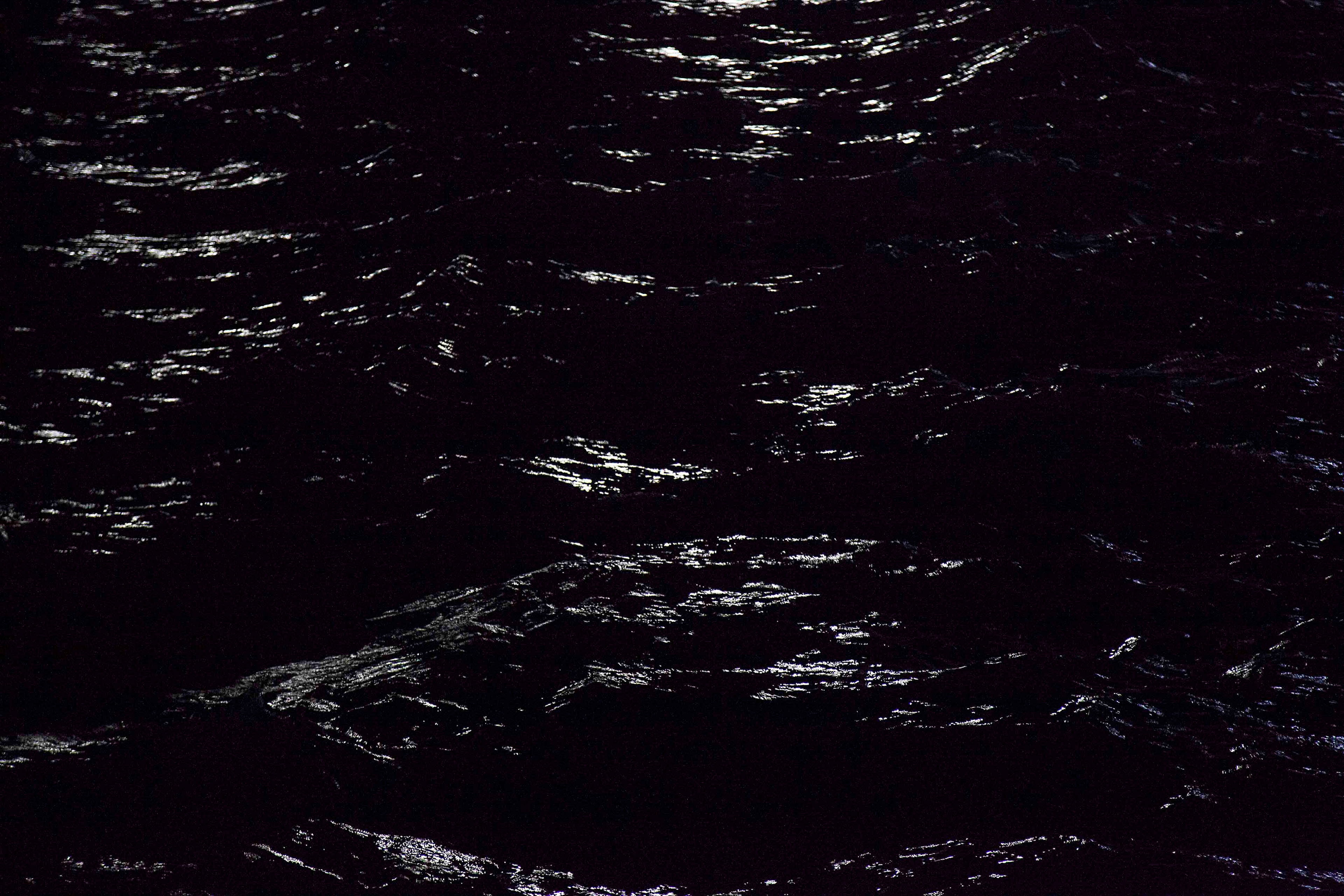
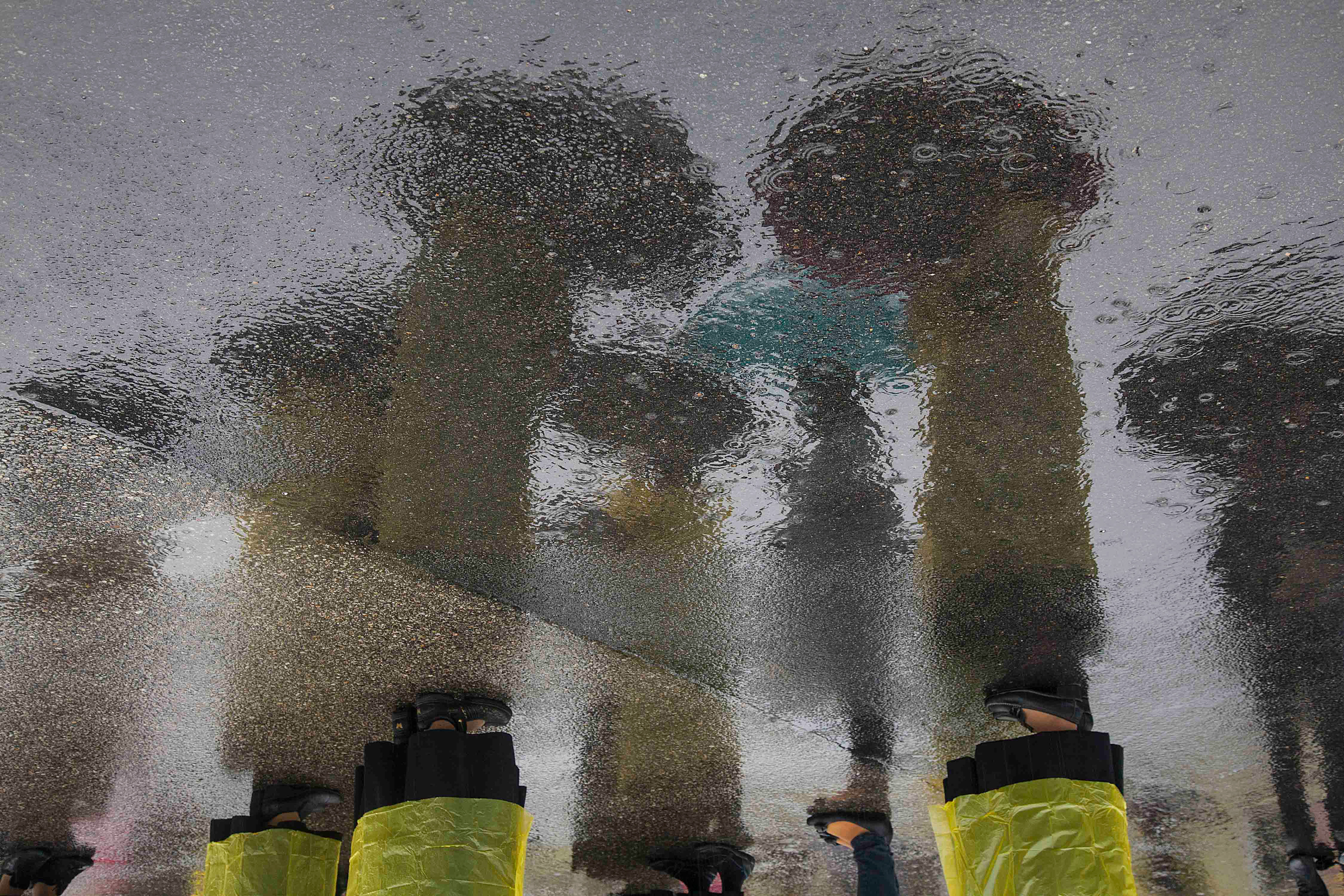
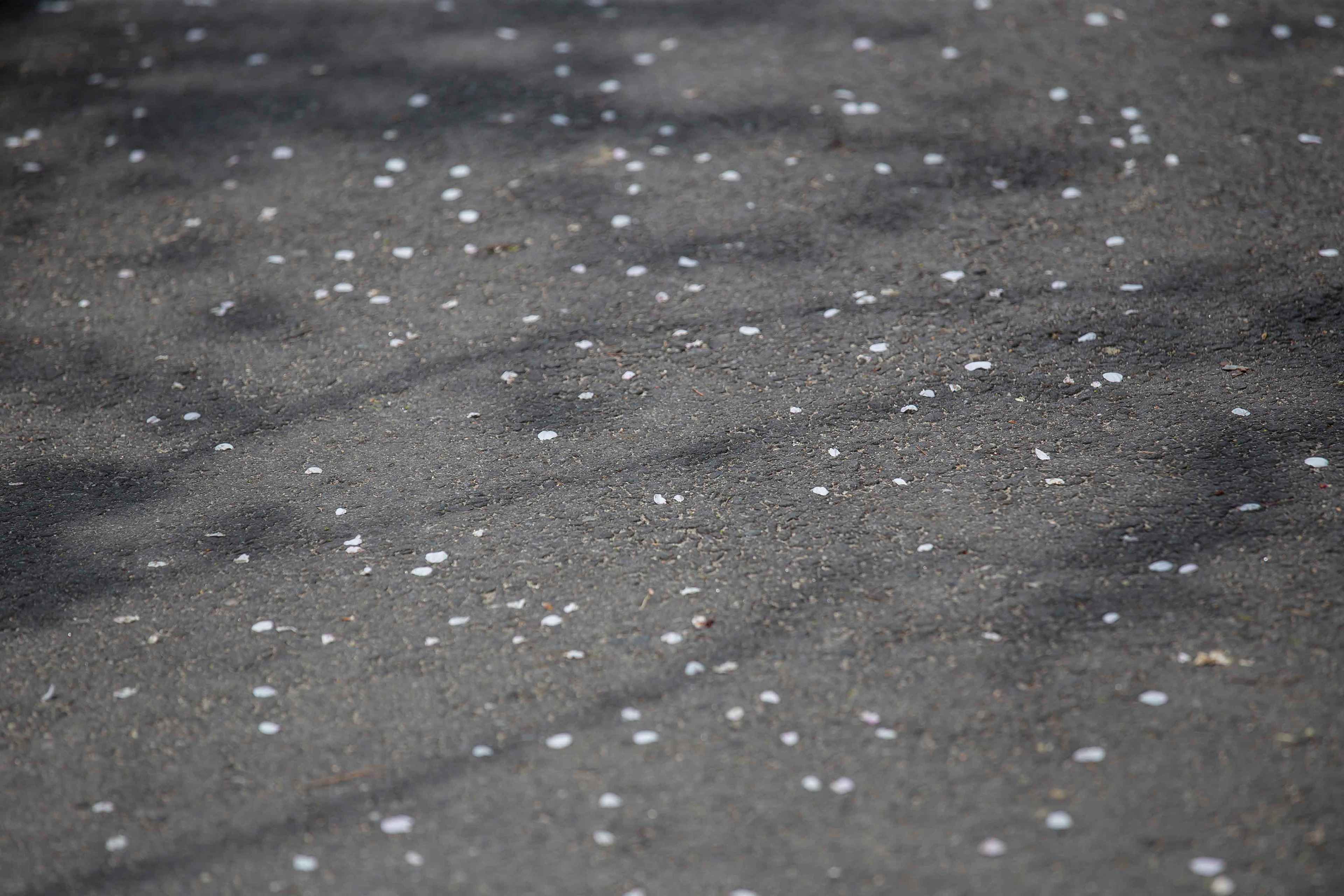
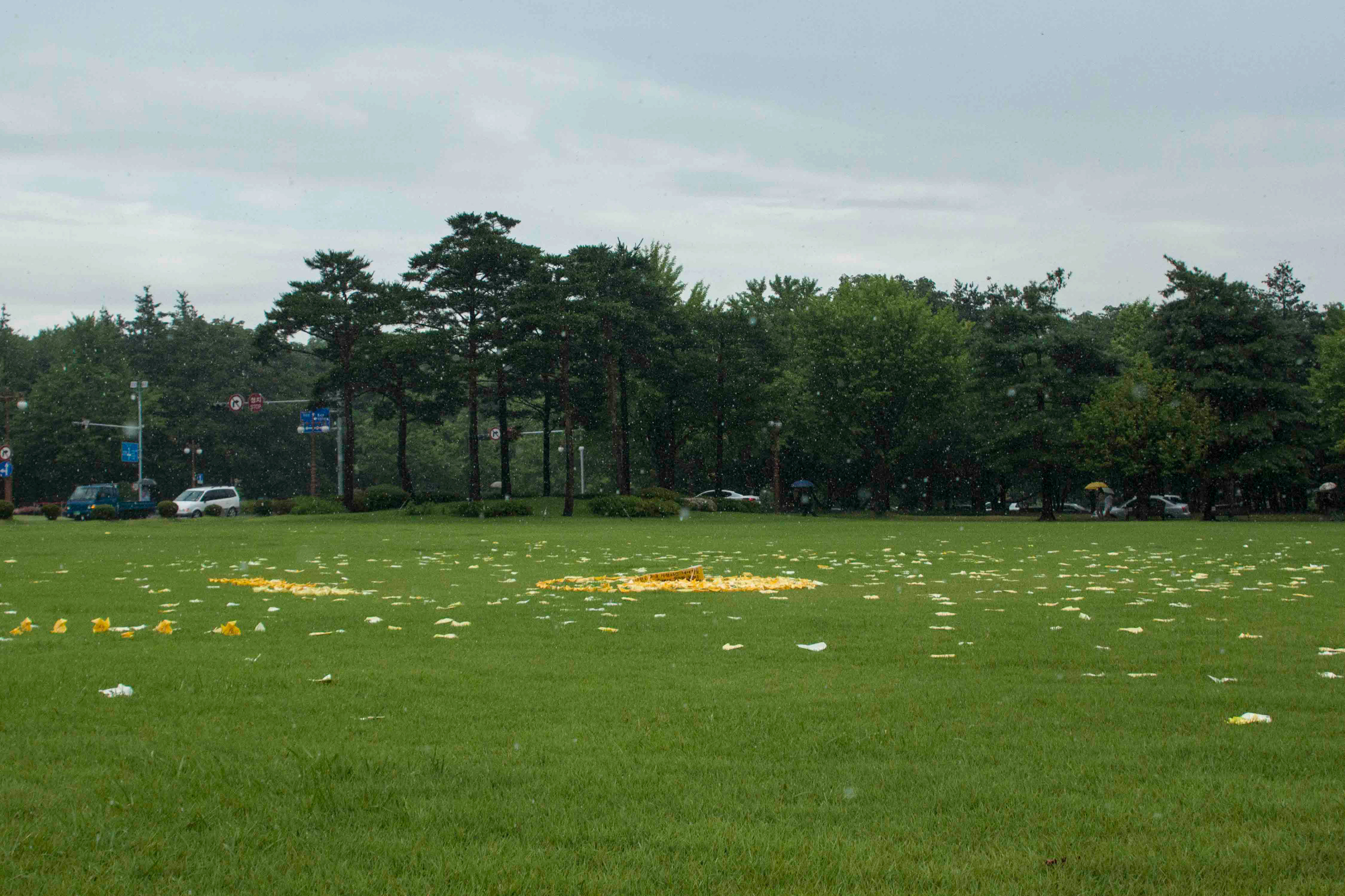
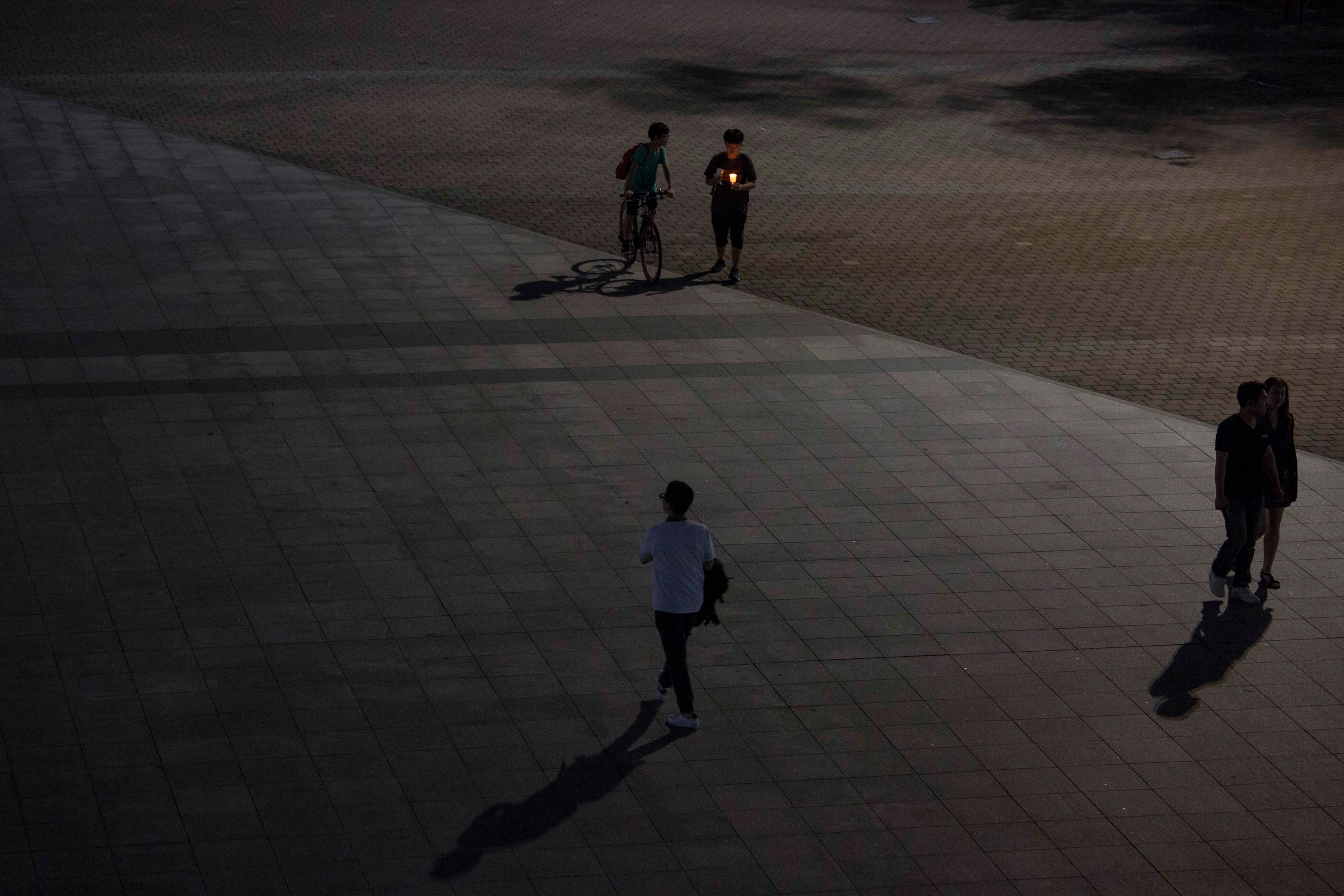
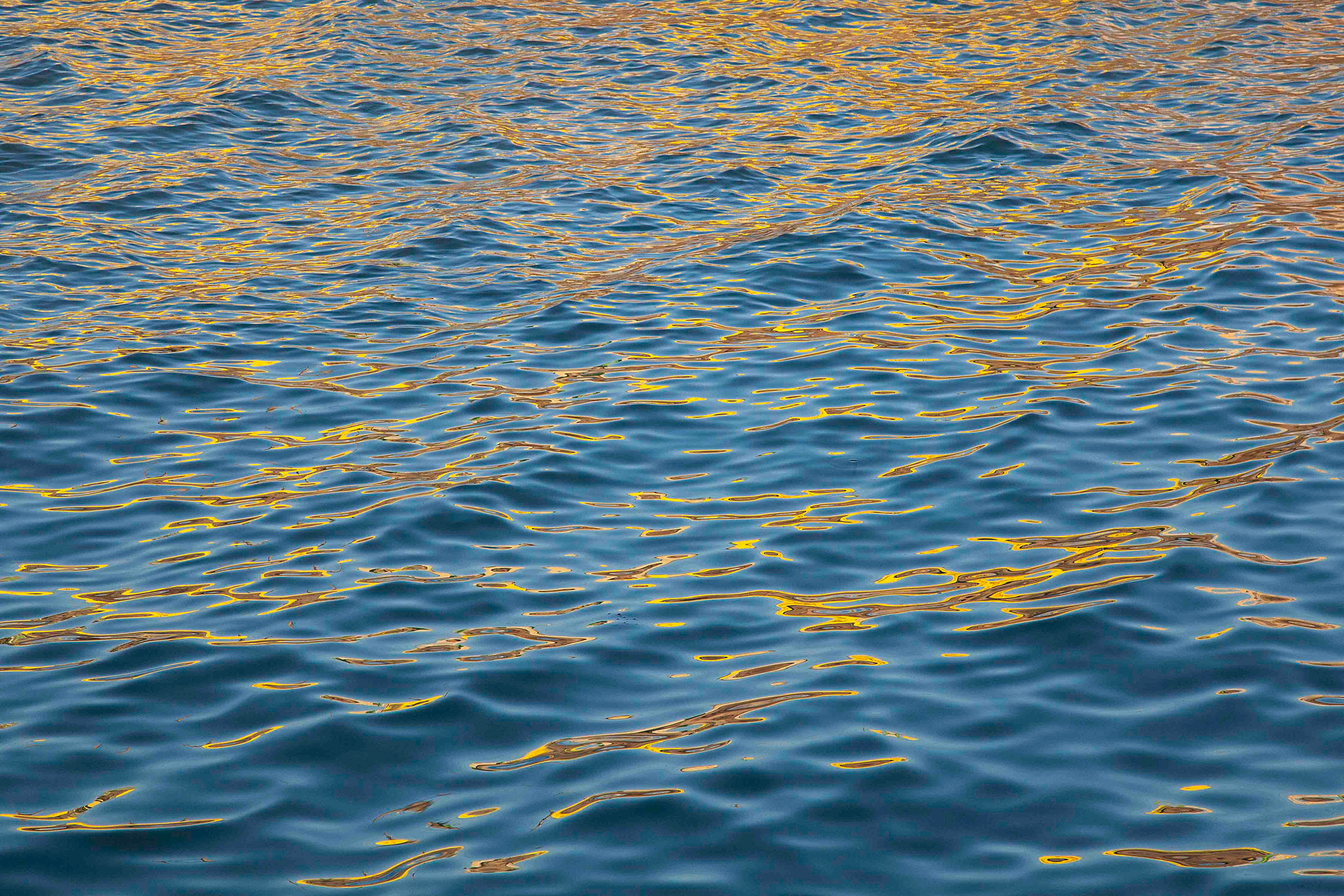
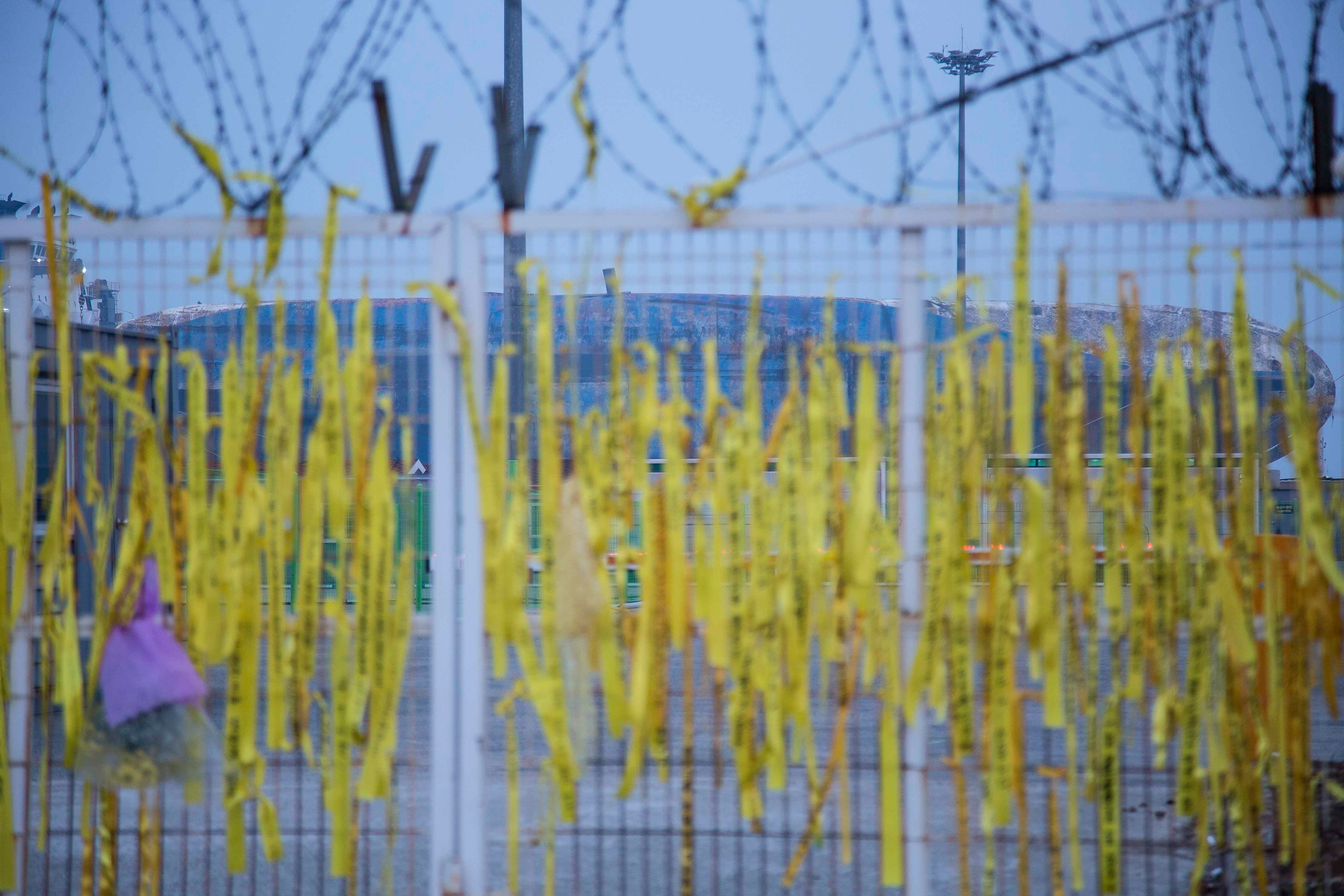
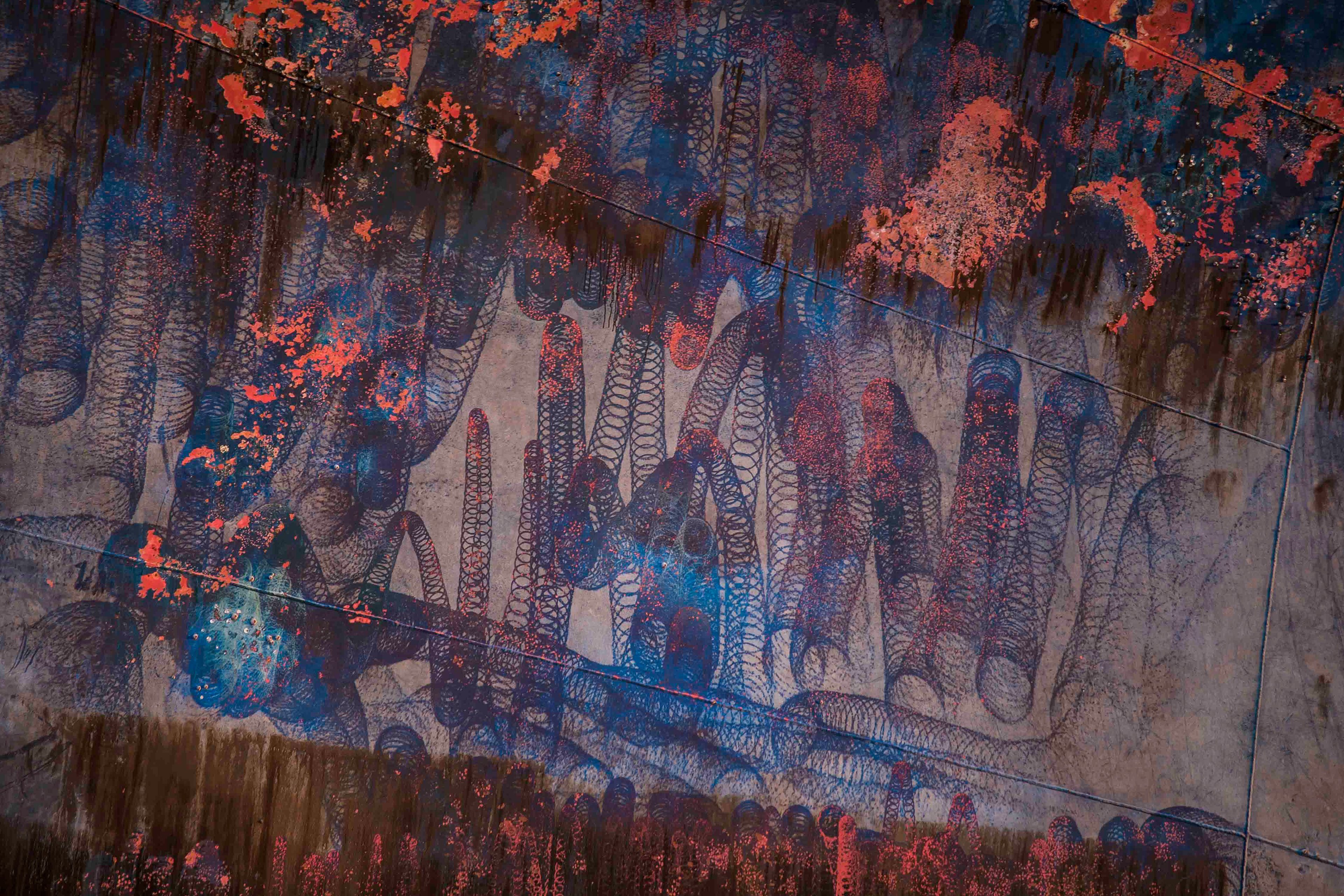
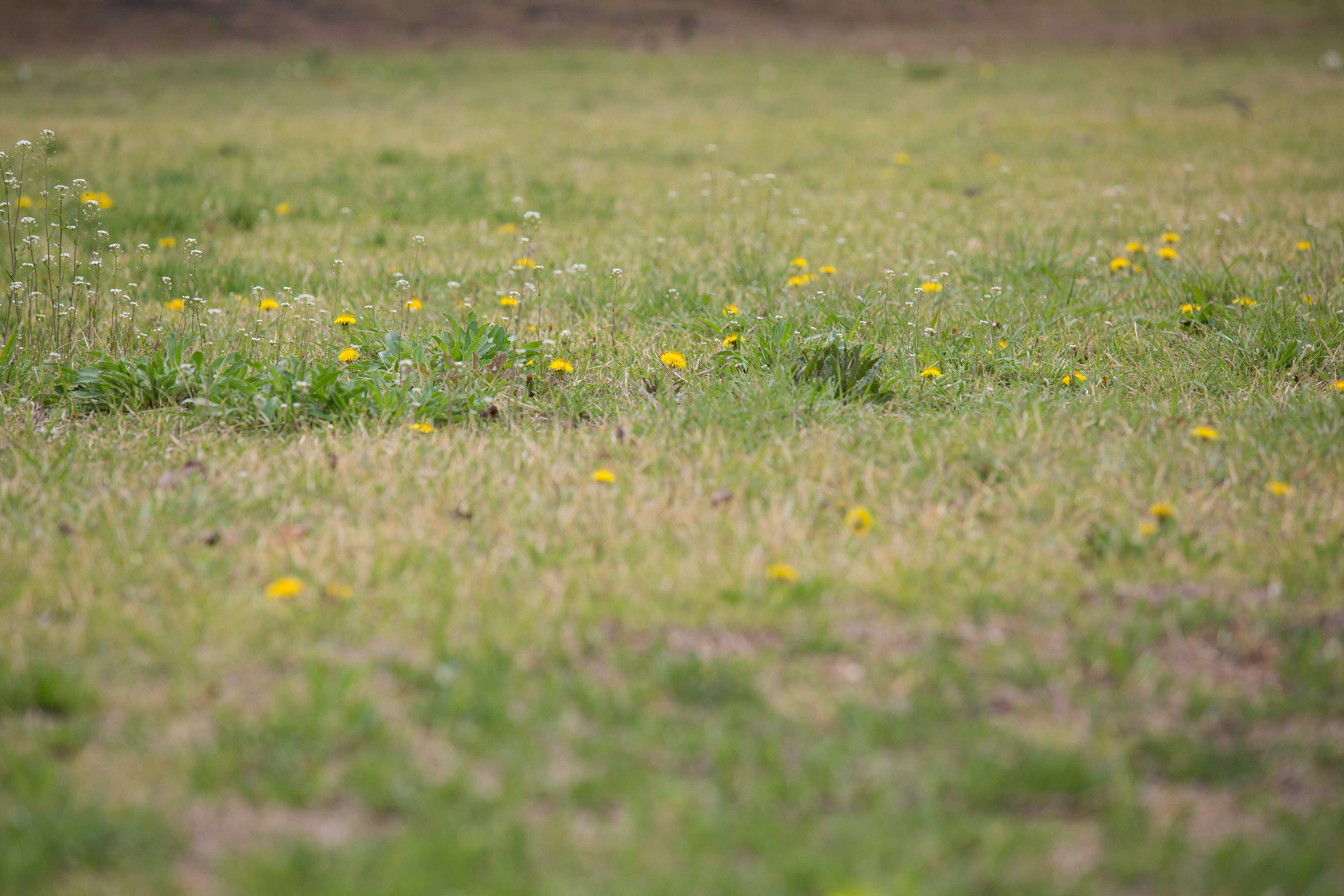
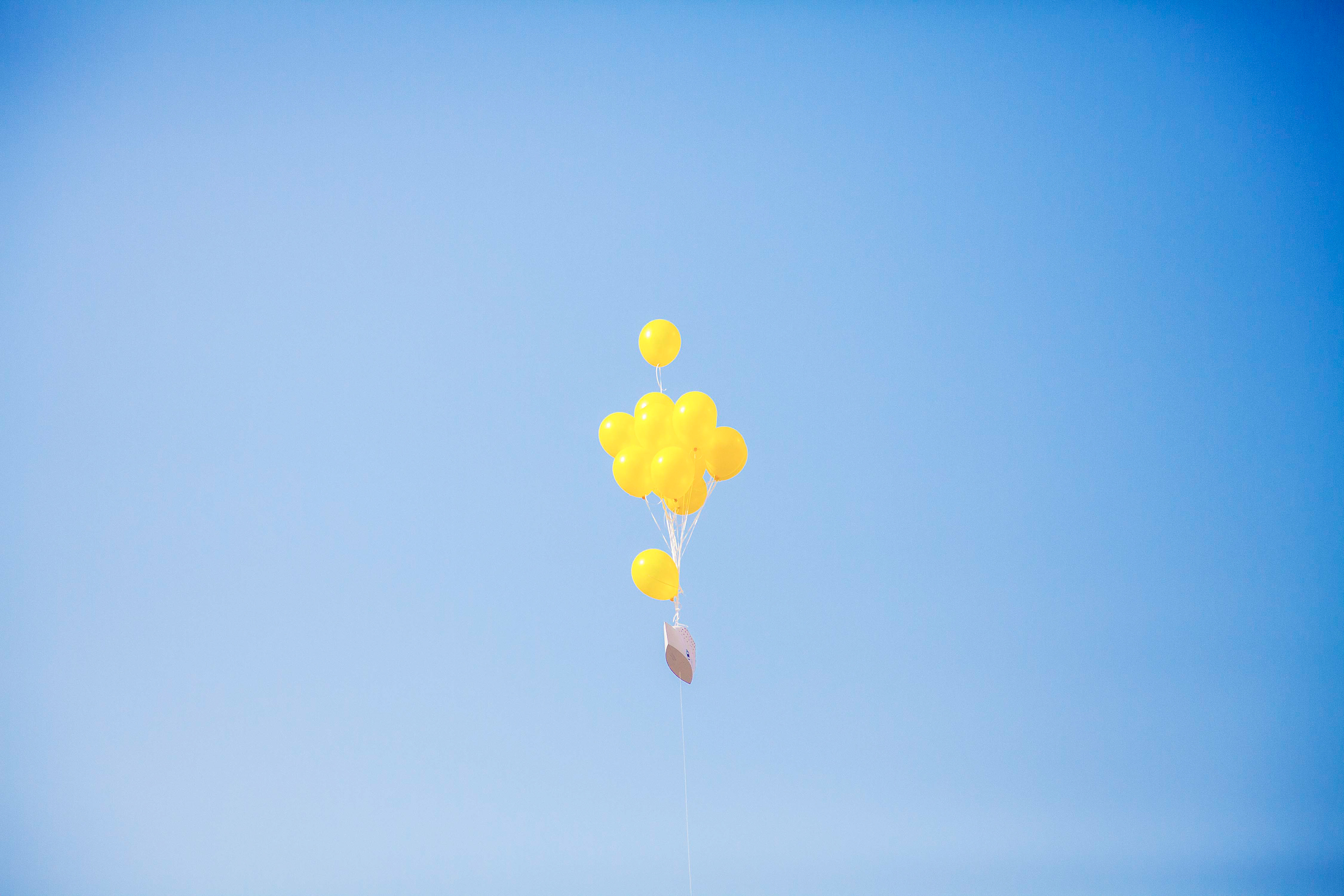
이 작업은 현장에서의 슬픔과 분노로 시작해 사건을 따라잡는 기록의 의미에서 시작한 것이었지만, '사진'이라는 매체에 대해 끊임없이 고민하게 하는 작업이었다. 여느 저널리즘 사진과 같은 격렬한 이데올로기들이 부딪히는 긴박한 모습들 또한 하드드라이브 속에 간직되어 있지만, 이 작업 안에서는 꺼내지 않았다. 조금은 추상적이고 차분한 톤으로 정리되어있는 파편들은 사고 이후 3년간 함께 한 현장들의 흔적들이자 3년간의 생각의 흔적들이다.
2014년 4월 16일 8시 40분, 대한민국 전라남도 진도군 병풍도 인근 해상에서 여객선 세월호가 침몰했다. 이 사고로 제주도로 수학여행을 가던 고등학생, 단체 여행객, 제주도로 이사를 가던 가족, 아르바이트 노동자 등을 포함한 총 인원 476명 중 172명이 구조되었고, 299명이 사망하였고, 4명은 지금까지 실종 상태이다. 3년이 지난 지금, 바뀐 것은 아무것도 없다. 흔적들은 계속 우리 주변에 남고 있고, 나는 또한 그 흔적을 계속해서 카메라에 담고 있다. 흔적들의 궤적과 동선을 따라 이 작업은 다른 이름과 형태로 계속 이어질 것이다.
아무것도 바뀌지 않은 채 다가올 봄을 맞이할 준비를 하고 있다.
Another warm spring has passed, as it always does.
It was a spring three years ago. Having just shed my high school uniform and barely adapted to college life, "that day" struck me with an overwhelming weight. The memory of my own indifference—moving on simply because everyone else said it was okay—made it even harder to bear. In April, when I visited the temporary memorial altar in Ansan, I saw rows of empty altars stacked high as if anticipating more funeral portraits to come. I saw the endless line of mourners and a mother collapsing before it all. It was then I realized that, as a photographer, I had to leave a record of this event. And so, I began to retrace the steps of that day.
The traces were scattered across various landscapes: Paengmok Harbor in Jindo where the tragedy occurred; Ansan, the living space of the students who made up the majority of the victims; and Seoul, where the bereaved families had come to fight. Following the flow of events and the flow of my own consciousness, I organized the scenes from the immediate aftermath of the accident to the arrival of the third spring. I spent countless nights on the asphalt with my camera. Though exhaustion often crept in, I steadied my heart by thinking of the families who had lost their loved ones. I consoled myself—and perhaps even offered an excuse—that this was the one thing I could do for them.
While this work began as a record fueled by grief and anger on the ground, it evolved into a constant meditation on the medium of 'photography.' My hard drives are filled with the urgent, high-tension images of clashing ideologies typical of traditional journalism, yet I chose not to draw them out for this project. Instead, these fragments, arranged in a somewhat abstract and calm tone, are the traces of the sites I inhabited and the thoughts I held over these past three years.
On April 16, 2014, at 8:40 AM, the ferry Sewol sank in the waters off Byeongpungdo Island, Jindo-gun, Jeollanam-do, South Korea. Out of 476 people on board—including high school students on a field trip, group travelers, families moving to Jeju, and part-time workers—172 were rescued, 299 perished, and 4 remain missing to this day. Three years have passed, yet nothing has changed. The traces continue to linger around us, and I continue to capture them with my lens. Following the trajectory and paths of these remnants, this work will continue to evolve under different names and forms.
With nothing changed, I am preparing to meet the coming spring.
<Traces of the Day>
<Traces of the Day>